



In November of last year, I posted all the things in macro I was worried about. I did not go full bear mode. Just acknowledged what was going on that made me cautious... the market has chugged along since then and has made many think that none of this stuff matters anymore and the market will go up in a straight line forever.
There is a reason many people who successfully called crashes are usually wrong for years before they end up being right. Macro is slow, and certain issues build up for a while before it finally falls apart.
The way I operate is just to acknowledge and follow these things to be ready for when they eventually become a problem. Or they improve.
These are the issues I warned about in November:
Consumer struggling
Labor market deteriorating
Inflation still above target
Private Credit
Yields
Bubbly behavior from retail investors
Real estate market and CRE downturn
Margin debt at all time highs
The Signs Have Been Building Up
On October 10th last year, we saw a massive leverage unwind, especially in crypto. This happened when Trump put out a tweet and the indices experienced a sharp drawdown in a matter of minutes. You may have forgotten already, but leading up to October, everyone was piling into Bitcoin and crypto.
The S&P 500 dropped 2.71% and Nasdaq slid 3.56%. The market was at all time high at the time, and so was crypto.
That day was the largest single-day liquidation event in crypto history, $19 billion wiped out in 24 hours. 1.6 million traders liquidated.
I will never forget my feed. Seeing a ton of people tweeting that they lost it all.
This day had a ton of signal. People don’t open their eyes and take note of what was going on. People were acting like this was normal. But it wasn’t.
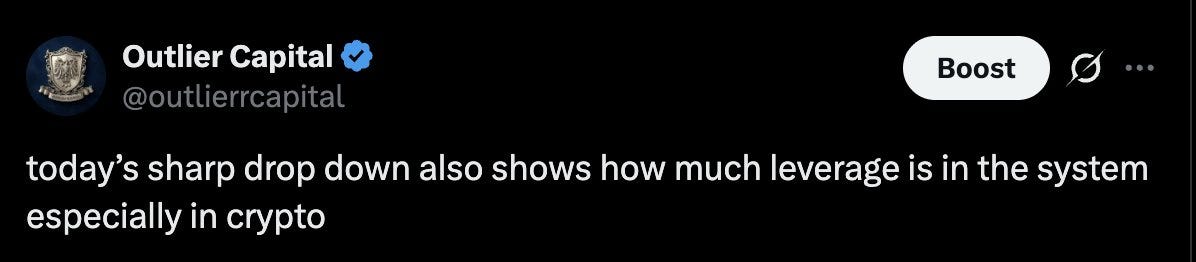
“Coincidentally”, this happened to be the top in many of the momentum names before they fell 50, 60% + . Recognizing that we were at all time high margin debt, and keeping my eyes peeled for any red flags, gave me the confidence to go heavier on shorting many of the momentum names such as quantum and the pre-revenue nuclear company OKLO at the top. Which I also spotted in the technicals coinciding with this.
Then, after the crypto crash. Everyone, (including many ex-crypto bros) started piling in to gold and silver.
It was obvious seeing commodities going parabolic, that it would not end well. There were signs such as people lining up outside stores in Asia, to speculate on physical gold. I warned of this just days before we saw something historic.
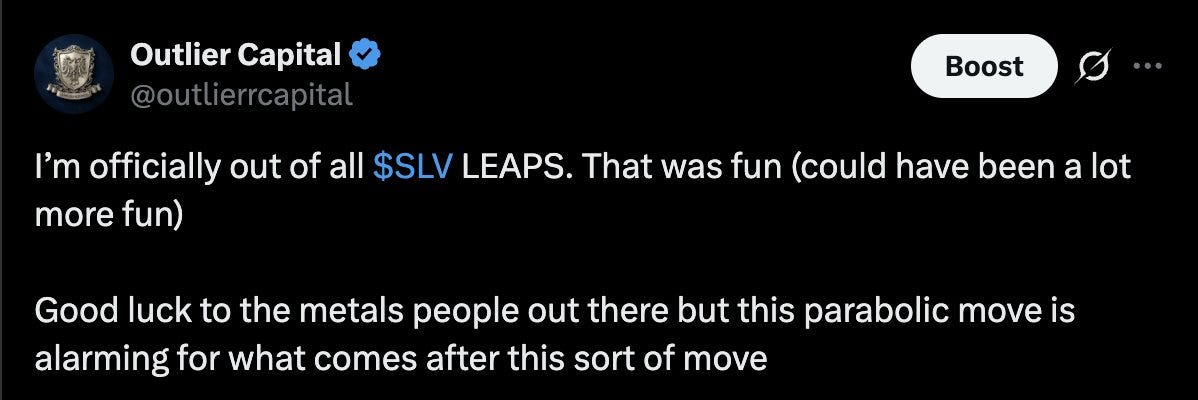
At the end of January, we saw the sharpest single day drawdowns for gold and silver in history. Gold experienced a 16.4% drawdown and Silver collapsed 38.8%. These are multi-trillion dollar assets. Trillions of dollars evaporated.
This was probably the biggest red flag I noticed. I continued posting about it. Shocked that nobody was discussing what we had just witnessed. People again simply acted like it was normal.
3rd Time’s the Charm
Around the time of the metals crash, Claude Opus 4.6 released, and OpenClaw began to become extremely popular. This was when AI truly began (in my view) that made people discover what agentic AI really was realize it was more than just a chatbot.
Around the same time, we began the war in Iran, which prompted a local top in the markets. Many became bearish at the lows and we proceeded to have a low volume “lock-out rally” where the S&P500 rallied over 20% in about a month and a half.
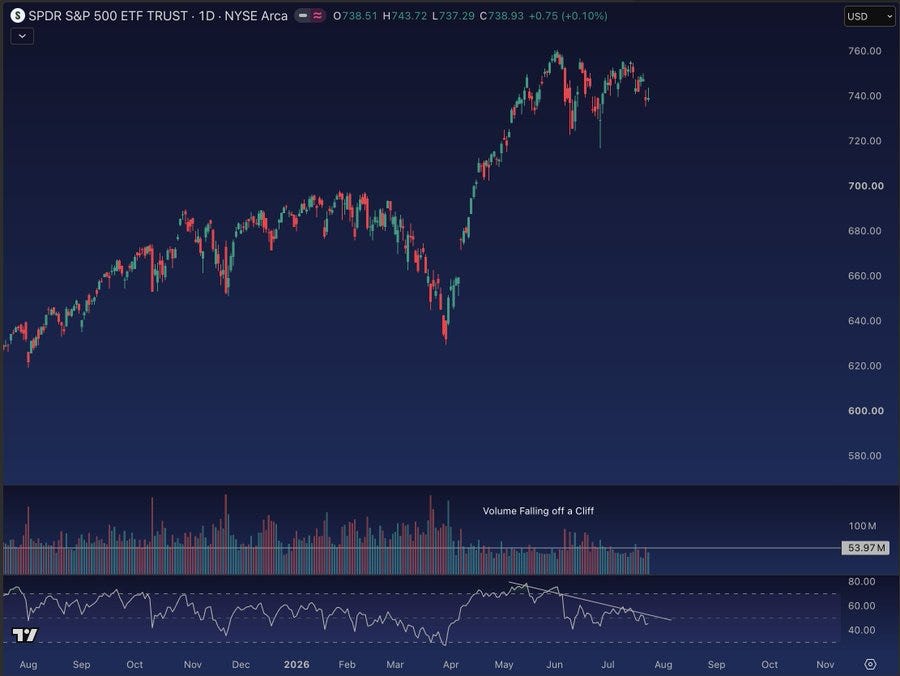
It’s important to note what the chart looks like. Low volume, RSI divergence, and lower highs. The market seems exhausted. This was/is an obvious local top.
A large portion of the market performance was due to investors piling into AI stocks. Semiconductors, memory stocks, and other hype momentum stocks.
This time, it was taken to an even further extreme than the last two. Funny enough, it was also the same crowd piling in. The ex-crypto bros, who suddenly pivoted to AI. But it wasn’t just them this time.
The most concerning thing I have observed since last time I posted what I was worried about is the bubblish behavior of retail investors. Many people I encountered in real life have become interested in the stock market that never have before. Countless stories of people who just began trading, thinking they can become full time traders. It’s the classic “taxi drivers giving you stock tips”. This is very similar to the 2021 cycle.
My guess as to why this is happening is because people see the market going straight up, they aren’t in great financial situations, and they see it as an escape. Potentially many of them are even at home since they have no jobs, so they decided to become traders. At least that’s what I feel from what I see and talking to people.
I even put together a thread for when we get the “who could’ve seen this coming” to showcase the new talent of professional traders.

You know how I keep talking about leverage? Well yeah... Levered ETF’s are getting released left and right. All the popular retail stocks have levered ETF’s.
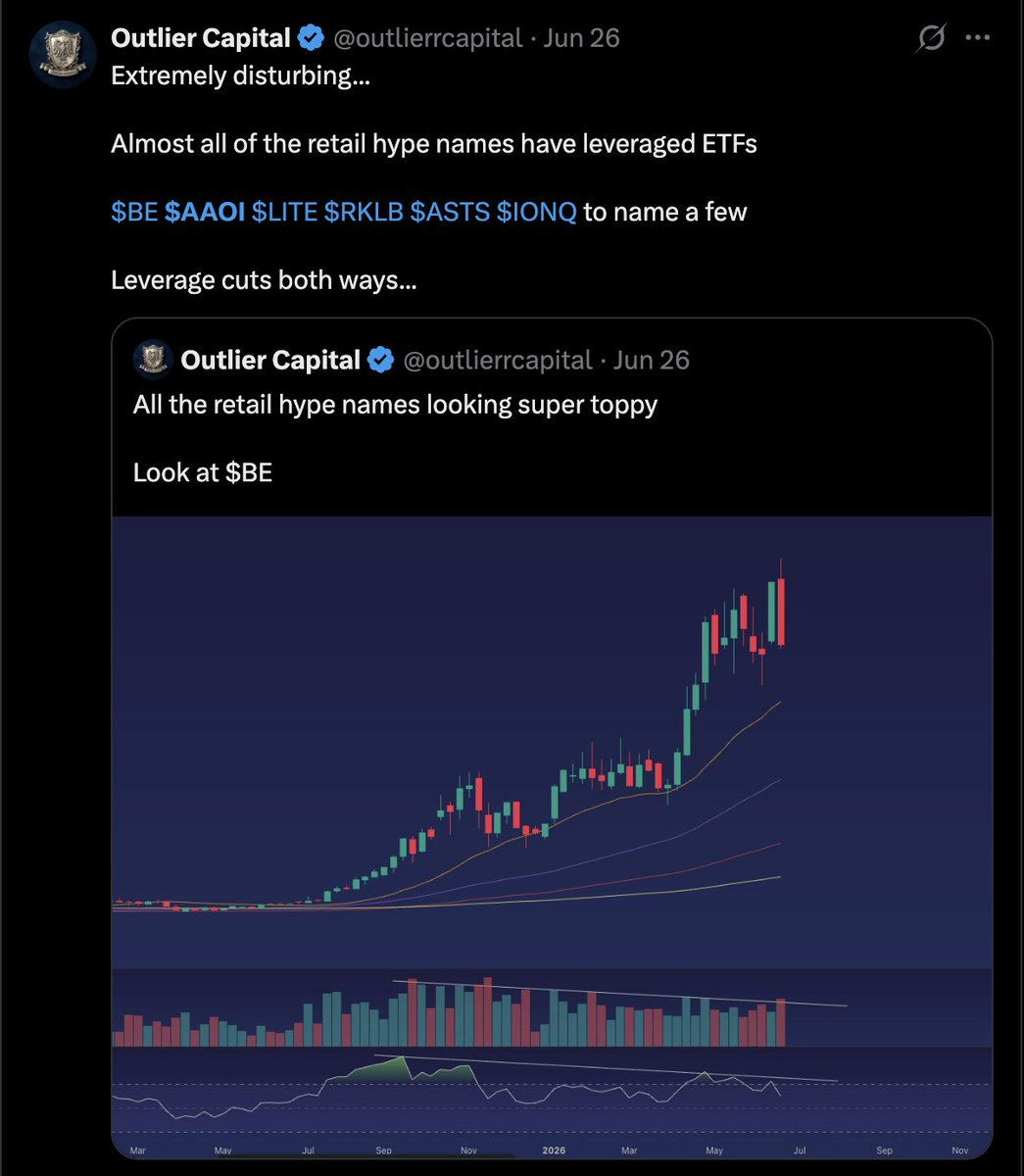
Even SPCX. The largest IPO in history, IPO’d with leveraged ETF’s launching at the same time.
What was most alarming was Korea. Because memory stocks were flying, and memory chip stocks Samsung Electronics and SK Hynix make up over 50% to 60% of the total market value of South Korea’s KOSPI index, everyone in the country began piling in to the market on leverage.
This is an entire country being leveraged. People in their youth, elderly people, everyone. The herd behavior of everyone piling into these stocks on leverage, caused the KOSPI to go parabolic. But then, the reversal happened...
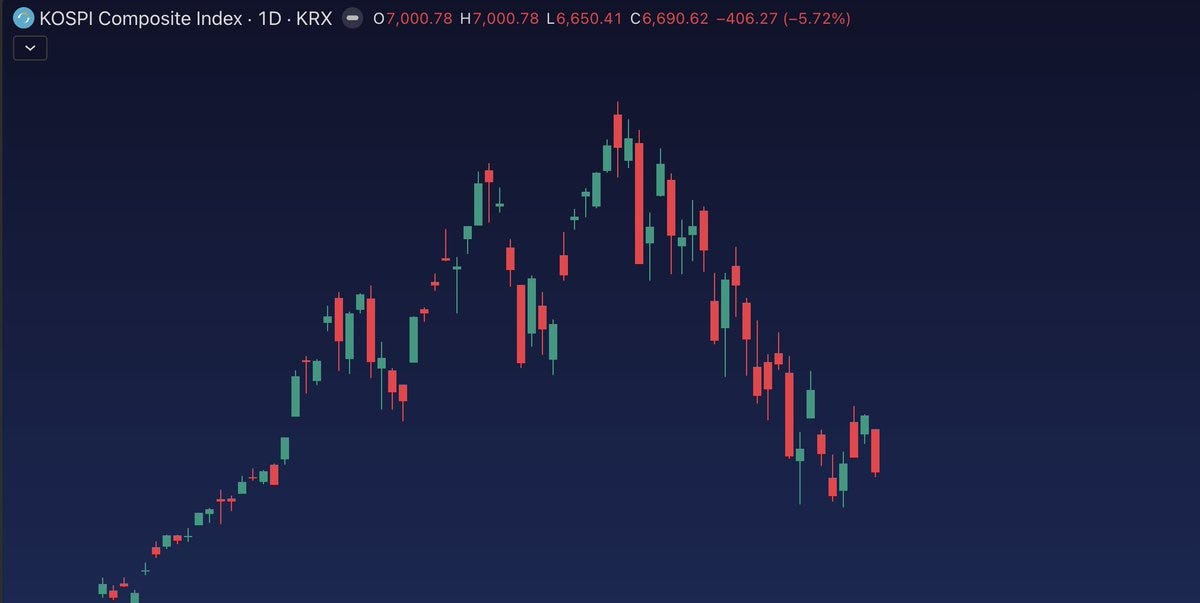
As of July 13, more than 1.2 million leveraged retail trading accounts in South Korea triggered margin calls. It is estimated that 3.4% of the adult population, have received margin calls. The KOSPI is down around 15% since then. So it is safe to assume that this number is even higher since then.
It’s not just Korea getting margin called though... The past week I have seen many traders in the US getting margin called as well.
Take for example what is currently going viral. A GoFundMe for a smart guy, who got drunk of the euphoria in the bull market with space stocks, and got liquidated from buying options on these high flyers with margin.

Keep in mind, these mass liquidations are happening when the S&P500 is down around 2.5% and Nasdaq is down around 8%. It’s scary to imagine what would occur when the indices experience a more severe drawdown.
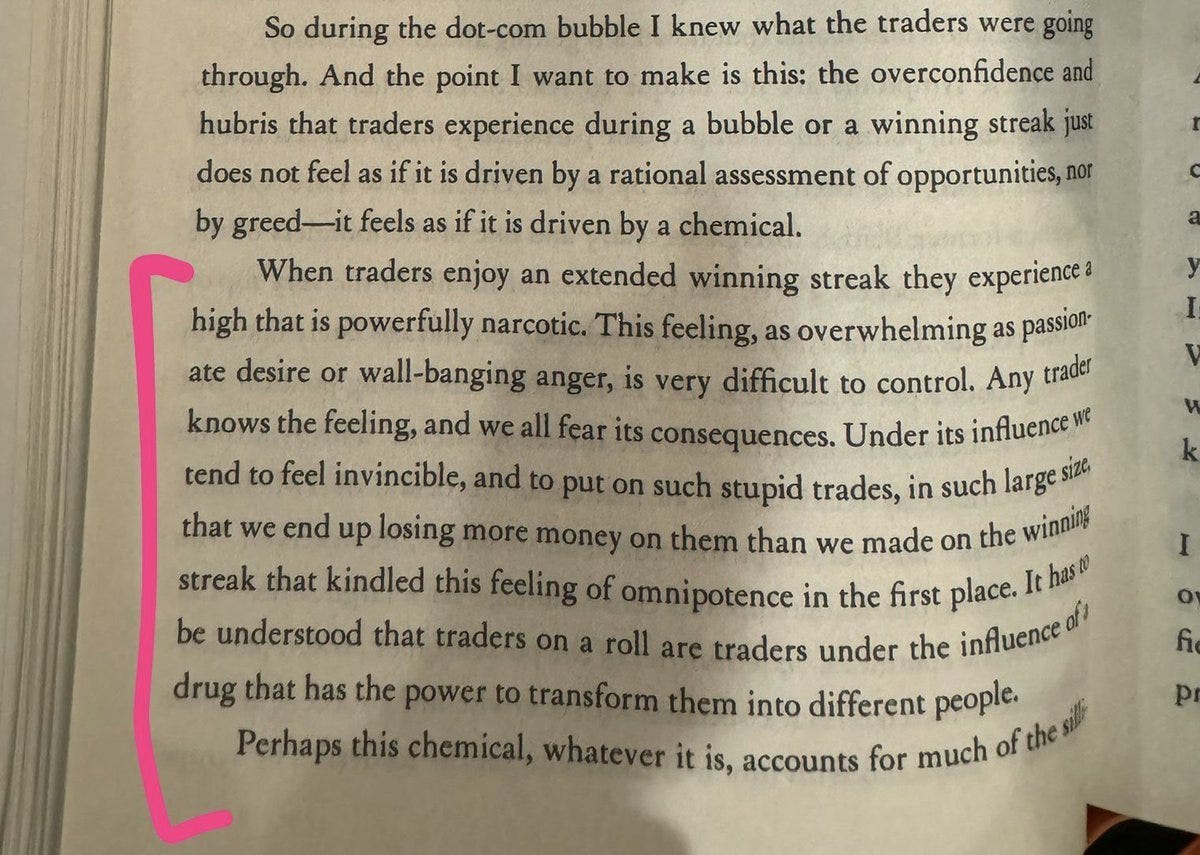
People have gotten used to buying every single dip and it has proven to work out. This is the trap that causes euphoria to wipe people out.
Semis and AI Bubble:
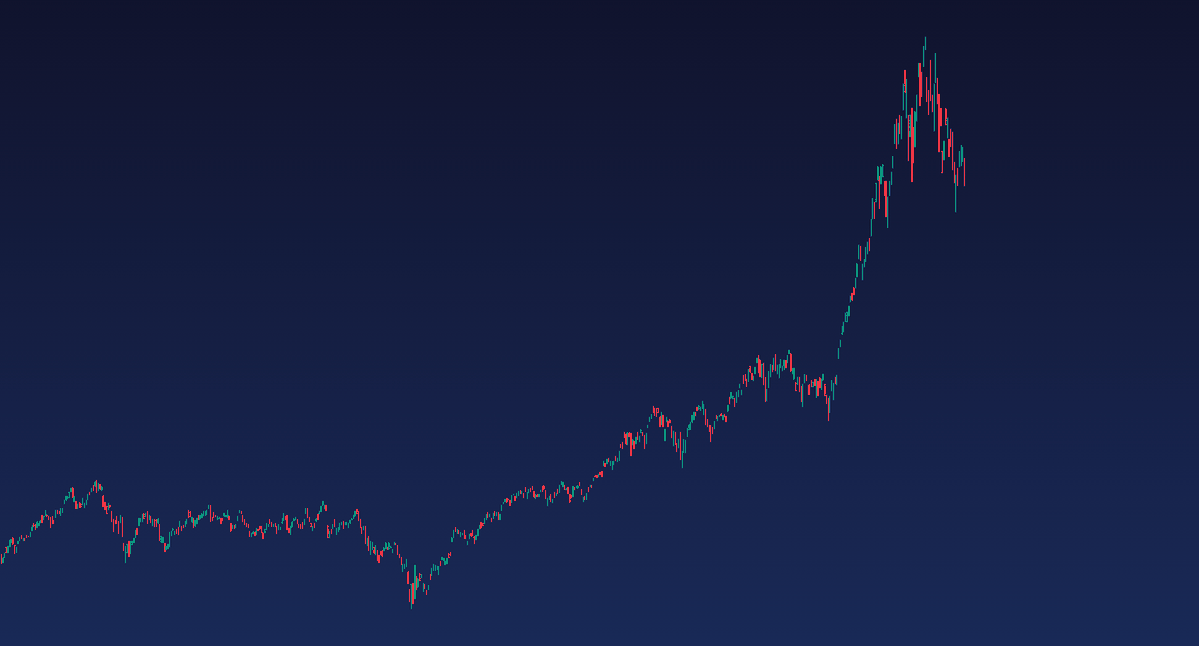
When I posted my worries about macro, it was at a time when the debate was AI bubble or not. My point at the time was this was noise and there are other more concerning issues at play. This seems to be still the only topic of discussion so let me touch on this.
In my opinion, many semiconductor companies are not investable. You can trade them. But you are playing a game of musical chairs at this point.
A lot of people invested in these are tech people. They see the buildout, they understand the tech which is real. And that makes them bullish. Many of these people don’t understand or discuss the durability of the earnings going out beyond the years that everyone agrees on. The default is just simply to assume that AI is accelerating, there’s a ton of demand and it’s still early (which I agree with). However this doesn’t mean that all the question marks should be ignored.
Semis and the AI buildout have been priced to perfection. Although many are in denial about them being cyclical, these are by definition cyclical companies that are contingent on companies spending on the AI buildout to maintain lofty valuations with exceptional growth and margins priced into the future.
Everyone knows the AI buildout is happening. People mistakenly believe that this is this is a secret or not understood. That’s not the problem here. The problem is that these cyclical companies are priced for extreme growth and high margins far into the future. And the fall off is not priced.
The cycles peak when analyst estimates are sky high. Analysts simply raise their targets and estimates until after cycle peaks. The game is not understanding if the buildout is happening or not, it’s deciding how far into the future it will go. Everyone knows NVDA will have great numbers.
Every leg higher in these stocks, is more risk building up in my view. The law of large numbers is part of this equation. It’s harder for a 5 trillion dollar company to grow (and maintain their margins) versus a 5 billion dollar company. The capital has to come from somewhere and it’s hard to consistently have the world spending trillions of dollars on the AI buildout forever. And that spend being concentrated on the same names. There is also the physical limitation of building data centers which is something to consider.
You can see the fragility in the trade with the recent drawdown. We see the pressure on the hyperscalers. Now we have pressure on the economics of frontier labs with open source models being just as good for the tasks of most people (and will get better). This is causing people to question if the biggest spenders are in a race to the bottom.
Being bullish on memory, and most of the winners that have been winning, in a way is being bearish on innovation. When there’s a handful of companies making juicy margins and having the most quality companies on the earth in a chokehold, it invites competition and incentives for companies to create alternative solutions. Buying memory stocks is a bet that there will be no innovative solution to this problem.
You see it already and how the whole trade can unwind in the blink of an eye. NVDA was the first signal of how this can happen. NVDA had a chokehold on GPU market. What came from that? Hyperscalers coming up with their own custom chips. New companies such as Cerebras.
Cyclical companies making juicy margins and printing money, invites competition and innovation. Economics 101.
To be clear, before people try to nitpick and dunk on me, I am not necessarily definitively saying this is a top in semis. It’s just to point things out to make you realize what’s going on and not get stuck on one narrative. I said it’s musical chairs. There can be another leg higher. It may not top for years. But the higher it rises, the more risk there is in my view.
Although the tech is real and it’s early, the economics are definitely a question mark. I could keep going and discuss the circular financing, off balance sheet debt, and other red flags, but I don’t want to make this too long. I’ll let you look into that.
GFC? Dotcom?
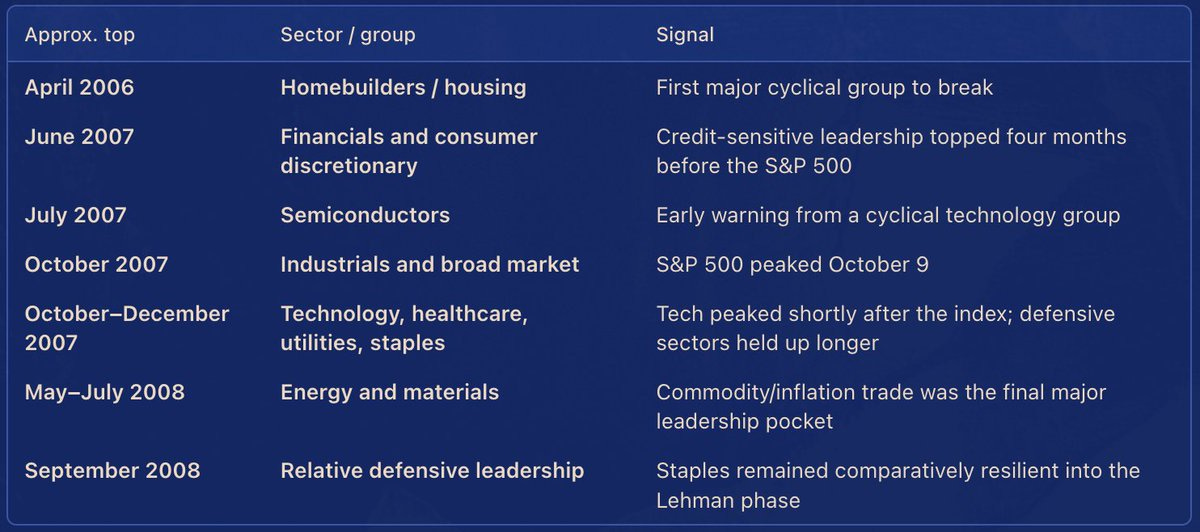
Even though this cycle often gets compared to the dotcom bubble. I think it looks more like 08. There are many issues in the credit markets and real estate market which are eerily similar, just in a different form. Of course there are similarities to the dot com bubble as well, so in a way it seems like a mix of both cycles combined.
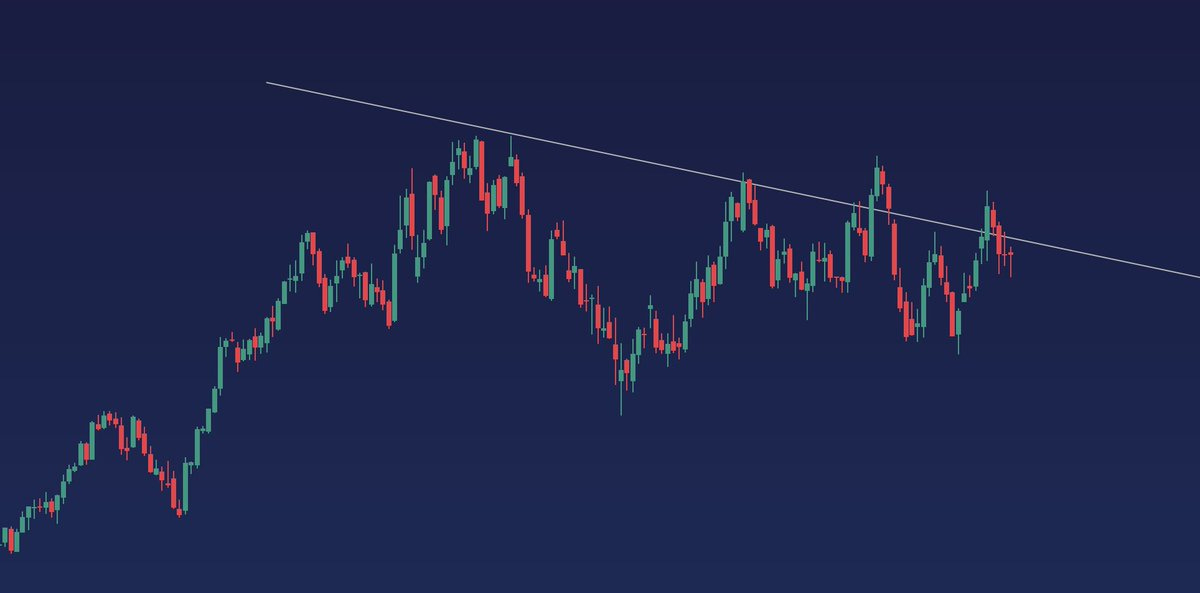
In the GFC, homebuilders then financials/consumer discretionary topped first in the cycle. Below are charts of the homebuilders and consumer discretionary today.
XHB (Homebuilders) - Jul 2026
XLY (Consumer Discretionary) - Jul 2026
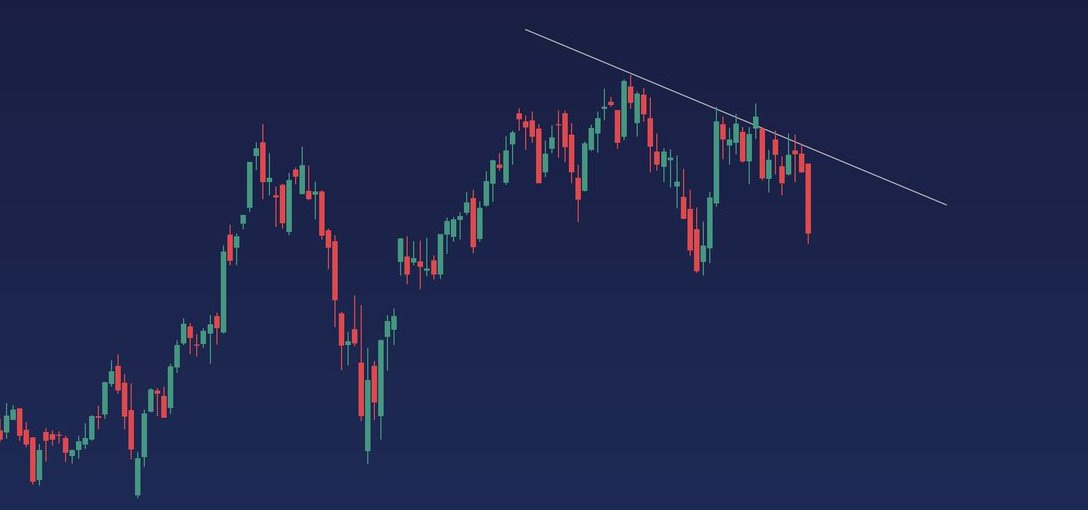
Homebuilders topped in November 2024, and have been in a downtrend since. Consumer discretionary topped in January of this year, and have been in a downtrend since.
War, Oil, and Yields
I pointed out all the risks in November, and they have continued to get worse. Usually when these macro forces are piling up, there is one catalyst that brings it all down. A match that ignites the flame.
The recent development of the war, is something to consider and how it fits into the whole picture.
Historically, every recession is preceded with a spike in Oil. If you think about why this occurs is there is usually fragility in the system of some sort, ready for something to bring it down.
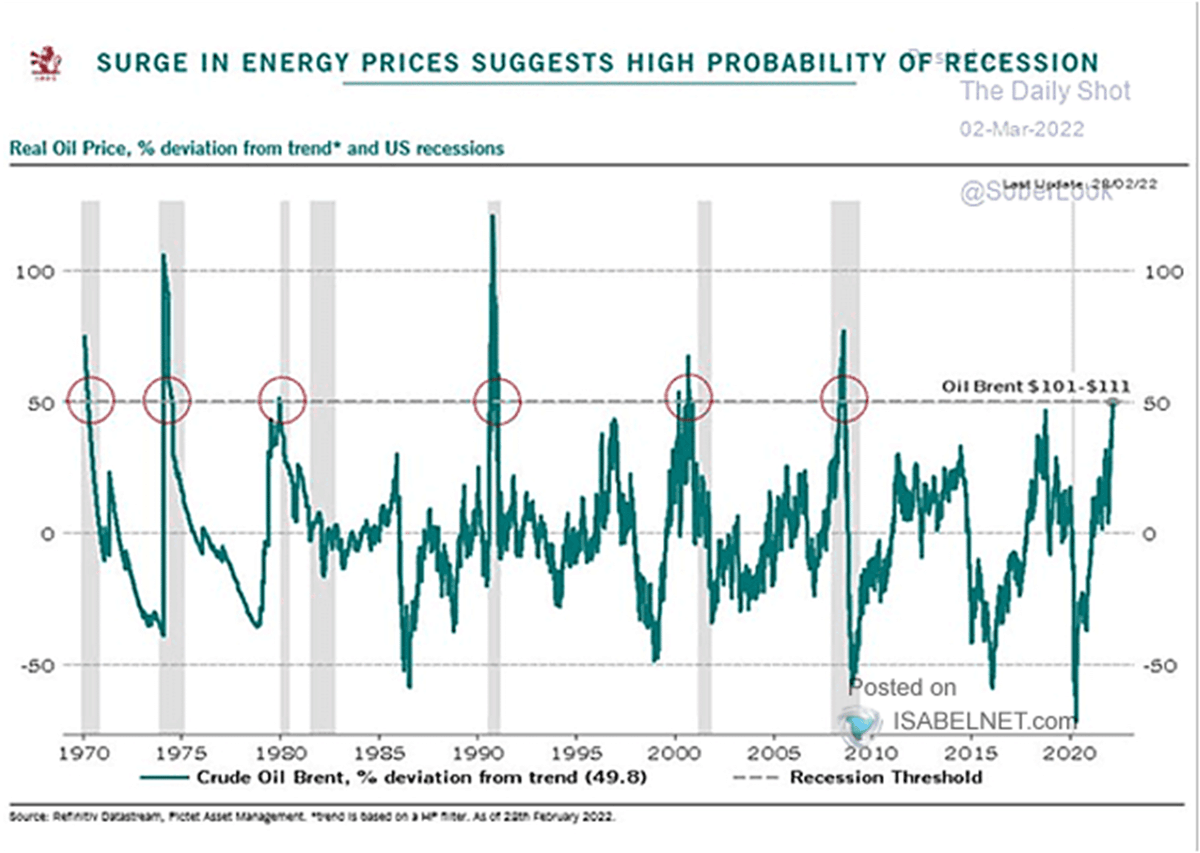
Recently, oil spiked and was coming back down. Because oil fell and the market continued to go higher, people viewed this as an all clear.
But now Oil broke out again. And now the war seems to be escalating. With the consumer already being weak. This is quite alarming if this trend continues. But even if it reverses, a lot of damage has already been done.
Yields are even more alarming. The 10-year Treasury yield is breaking out. Not only is this happening in the US, but globally.
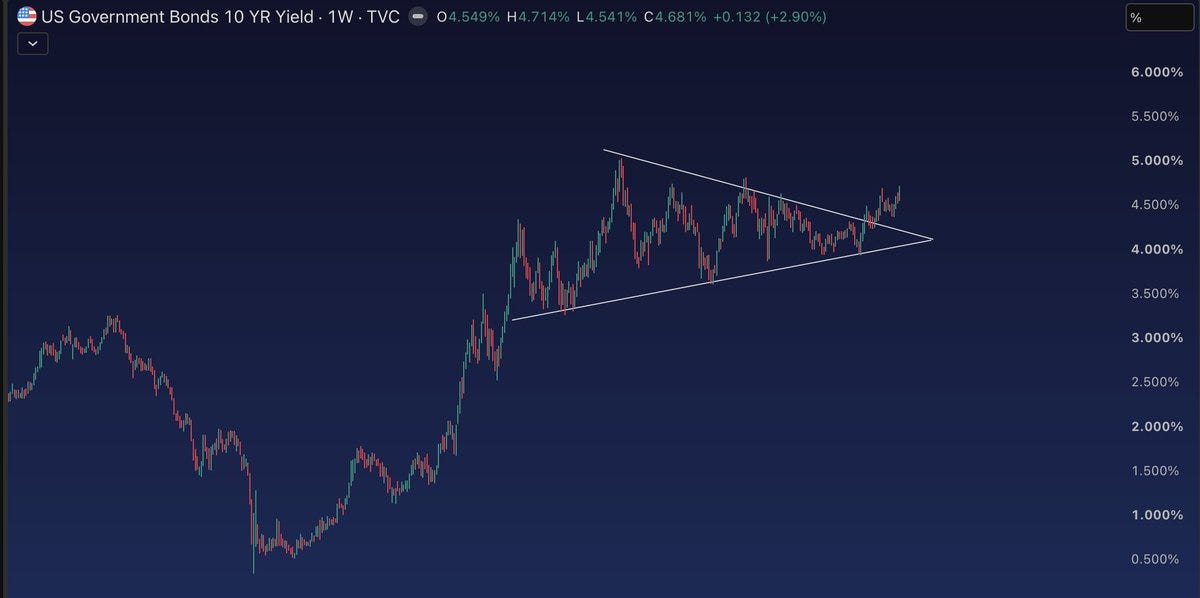
The financial system cannot handle higher yields. Even at these levels is a huge amount of stress for the financial system. If the 10Y breaks above 5%, I would view it as the explosion of the financial system.
We have entire industries built on the assumption that rates go lower for decades. These industries are also built upon insane amounts of leverage. Now we are facing what rising rates actually look like, for the first time in a generation. The clock just started ticking on a massive maturity wall.
The Nasdaq
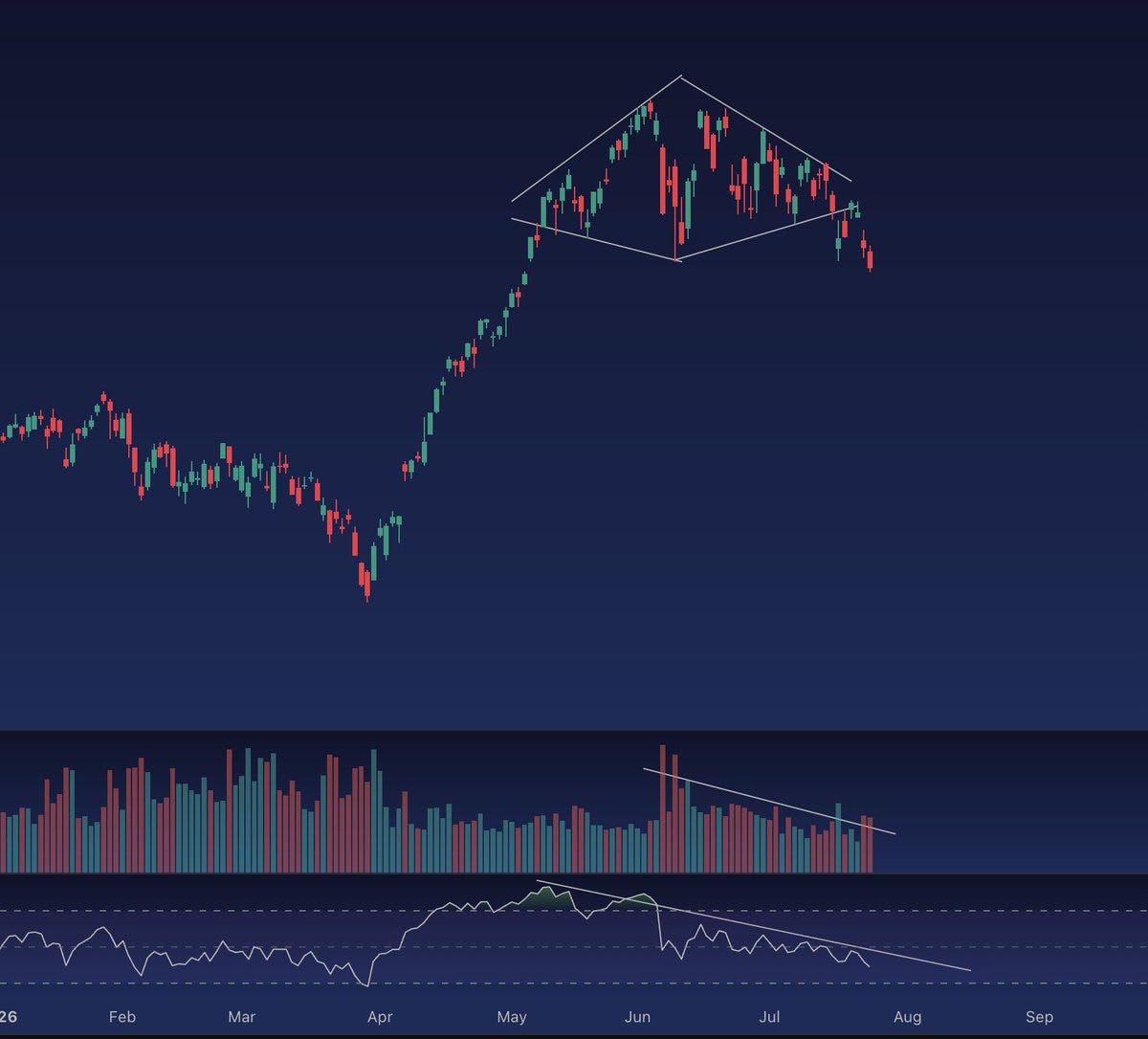
QQQ (Nasdaq) just made a diamond top. The entire run has been a tired run. Low volume. You can see in the technicals
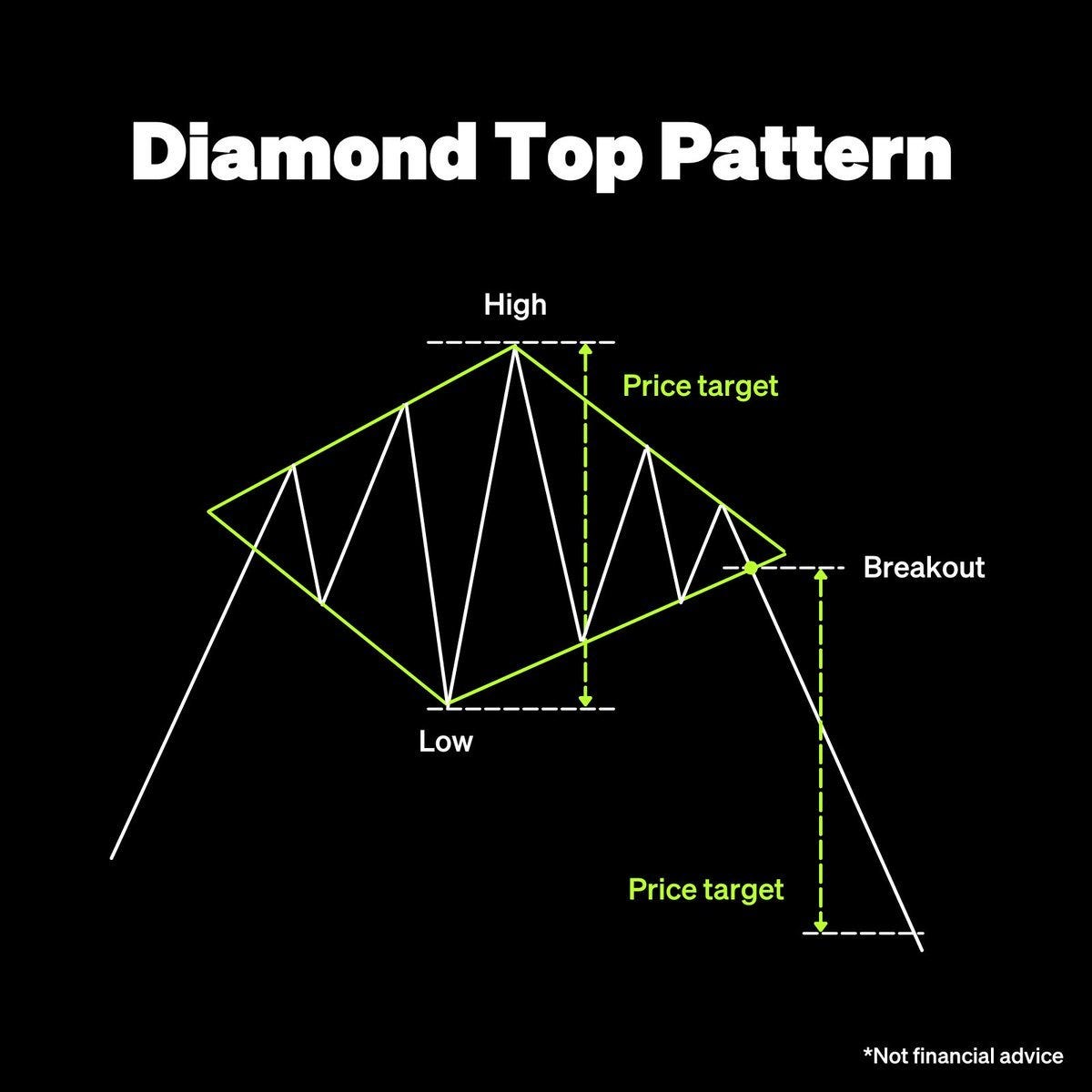
We made a local top. The question is: is there the liquidity and the ability of momentum to come back in the market?
I’ll leave that one up to you.
Leverage Galore
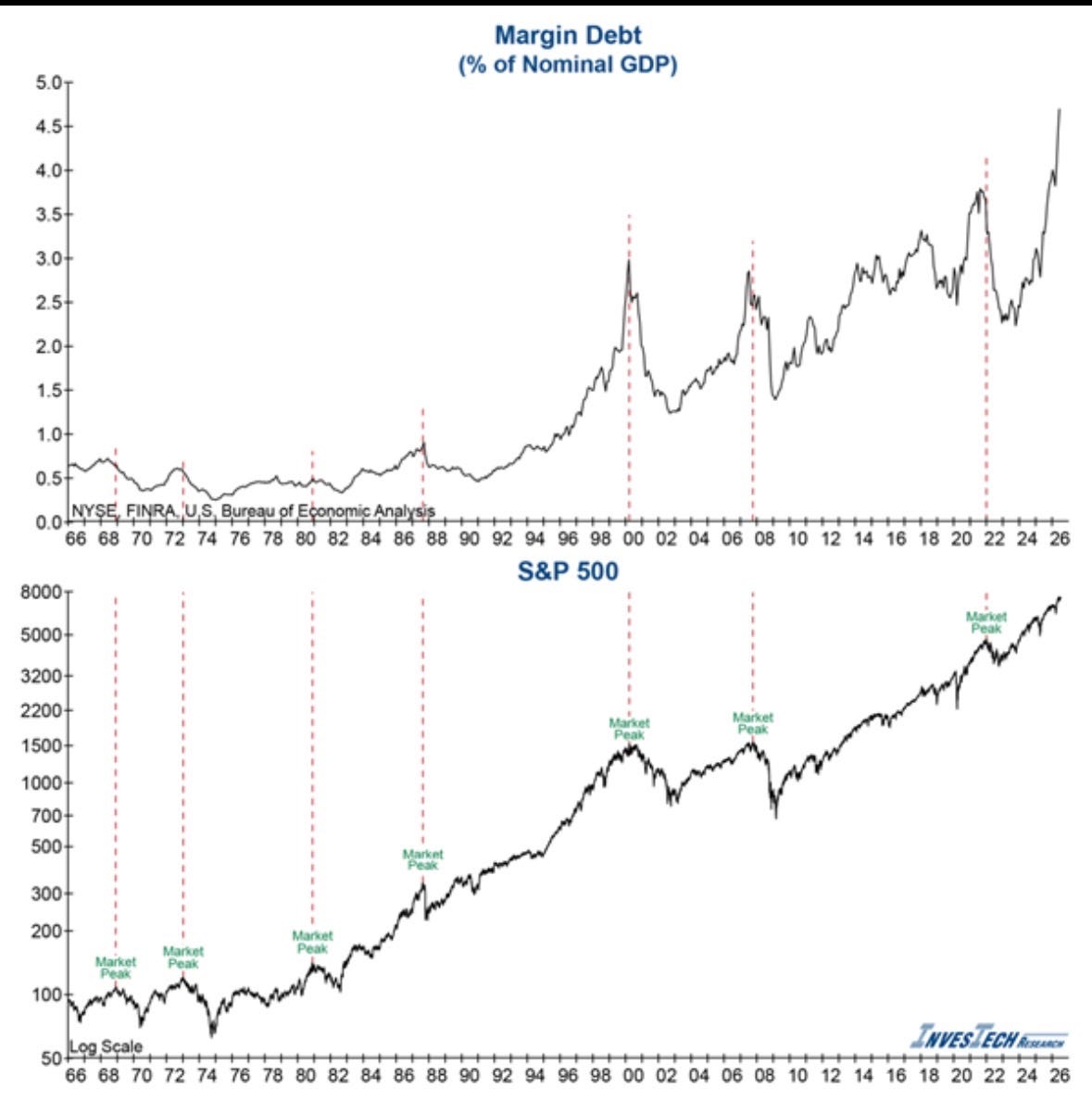
A lot of the discussion in this article has been on the discussion of margin debt. Which alone is a serious issue. But it’s deeper than just margin debt.
I worry for how bad the eventual bear market can get because of how much leverage is in the system. Not only margin debt, but credit card debt. Student loan debt. Auto loan debt. Buy now, pay later debt. Real estate debt. Government debt. And the best of all, private credit.
You know, private credit. Where you can get equity like returns “without the risk”

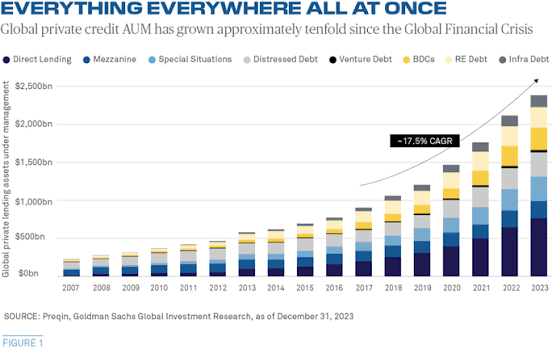
Since the GFC, the private credit space has exploded, due to the regulation on banks that came from the financial crisis.
An industry that was tiny, has grown into trillions. Without going too deep, just think logically for a second. What happens when an industry whose tagline is: equity like returns “without the risk” grows into a scale so large?
The executives in the company need to do more and more deals to get paid.
Eventually there are only so many deals with lower risk. And more and more risk is taken to get those juicy bonuses for executives. It may look fine while the economy is booming, but when there is stress in the economy, and higher rates, the private credit catch phrase begins to be tested. And we have started to see the cracks show up.
So What Now?
The point of this article is not to call a top. It’s to make you open your eyes and be on your toes. It’s also to show you what intuition looks like. It’s pattern recognition. Taking mental notes.
Reading the macro environment is not about calling tops. Reading macro is paying attention to everything and how it’s trending. To be prepared for what’s coming. Markets can remain expensive, concentrated, and leveraged for longer than what seems reasonable. Momentum can return, yields can reverse, and indices could go back to make new highs.
I am bullish on technology. Bullish on humanity. However I am real about the risks I see. The way I navigate is by being Long/Short and adjusting exposure as I see fit. Being long companies that can prosper off this revolution. Being short companies with deteriorating fundamentals and technicals.
Everybody has their own way of navigating. This buy the dip culture has caused many to get fully liquidated when the market is barely a few % off highs. I do not believe that this is the time to take additional risk.
I believe in this technological revolution. But I believe that we will experience pain before prosperity.
The feeling of this market feels like the beginning of 2022. This is what my intuition is telling me from all the datapoints I’ve observed and collected in my head.
Nothing is ever certain. I use TA to tell me when I am wrong. I do notice that I did feel similar near the lows from a couple months ago. So the same thing could happen again and we rip right back to all time highs. But with the recent wipeout of more leverage, with the war heating back up, global yields spiking and oil rising, I am much more skeptical of that.
I don’t think in absolutes. I think in terms of probabilities. I look at the facts, assign probabilities, and keep an open mind and look for signals that make me change my view. It is important to stay flexible and adapt when there is new information.
I wrote this article quickly so I could get it out over the weekend. There’s a lot more I could have fit into here and could have gone deeper into. I just wanted to put this out to give people perspective and see the risk that exists in the market.
Hopefully this helps people out there. It’s sad to see the pain some people are experiencing with the mass liquidations we have seen in recent times. Don’t let that be you.
Disclosures and Disclaimer
This article reflects the author’s opinions and analysis as of the date of publication. Opinions, estimates, market observations, and forward-looking statements are subject to change without notice as market conditions and underlying information evolve.
This material is provided solely for informational and educational purposes. It does not constitute investment, legal, tax, or accounting advice; a recommendation to buy, sell, or hold any security or financial instrument; or an offer or solicitation to purchase an interest in any investment product, fund, or advisory service. Readers should conduct their own research and consult their own professional advisers before making investment decisions.
Investing involves substantial risk, including the possible loss of principal. Short selling, options, leverage, leveraged exchange-traded products, digital assets, commodities, and concentrated investments involve additional risks and may result in losses greater than the amount initially invested. No investment strategy can guarantee a profit or protect against loss.
The author and Outlier Capital, its affiliates, clients, or related persons may hold long or short positions, options, derivatives, or other economic interests in securities and instruments discussed in this article. These positions may change at any time, without notice, and may be inconsistent with the views expressed here. The author and related parties may transact in such securities before or after publication.
References to specific securities, issuers, asset classes, market events, charts, or trading strategies are included to illustrate the author’s analysis. They should not be interpreted as a complete description of any position, portfolio, investment process, or risk-management practice. Any discussion of past trades or market calls is selective and should not be interpreted as representative of all investment decisions or future results.
Past performance is not indicative of future results. Historical market relationships, technical patterns, anecdotes, and comparisons with prior cycles may not repeat. Hypothetical, estimated, or forward-looking outcomes are inherently uncertain, and actual results may differ materially.
Information and data have been obtained from sources believed to be reliable, but their accuracy, completeness, and timeliness are not guaranteed. Unless otherwise indicated, the author has not independently verified all third-party information. Charts may use different sources, time periods, methodologies, or pricing conventions and are presented for illustrative purposes.
If you are an accredited investor and interested in investing in Outlier Capital Holdings, please reach out via the contact form on outliercapitalmanagement.com or email matt@outliercapitalmanagement.com