



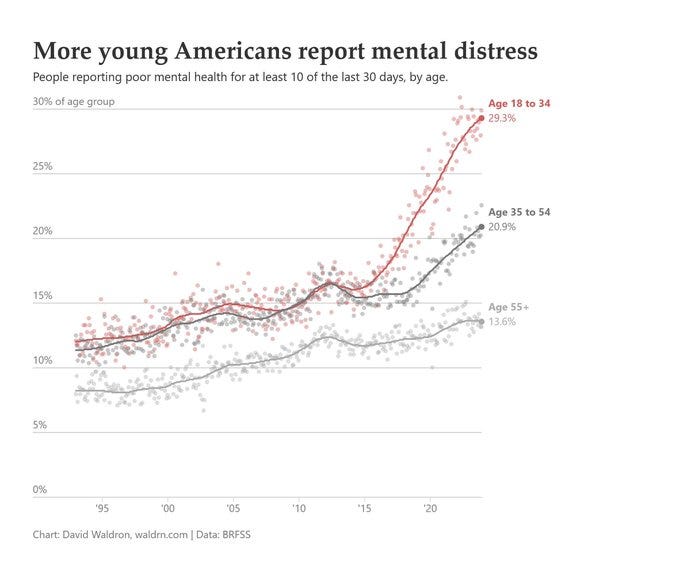
It’s no secret that society is dealing with a mental health crisis.
There hasn’t been a great solution to this problem. Antidepressants help some patients but leave many with residual symptoms, side effects, or no meaningful benefit, especially in treatment‑resistant populations.
Fortunately, there have been discoveries that show clinical data that we have never seen in the mental health space.
Those discoveries are psychedelics.
These therapies are not talked about as much as they should be because there is a stigma that surrounds them. If there was no stigma surrounding these compounds, everyone would be discussing how we found something revolutionary to tackle the mental health crisis.
Psychedelics such as Psilocybin, LSD, and MDMA are showing incredibly strong evidence that they are an effective treatment for conditions such as treatment-resistant depression, generalized anxiety disorder, PTSD, and more.
The History
Before diving into the current investable landscape, it’s useful to understand how we got here.
1943: The Discovery
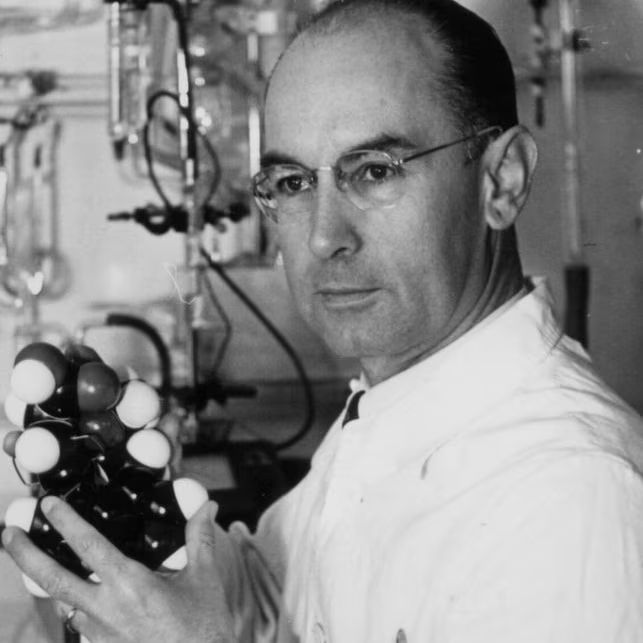
Albert Hofmann synthesized LSD at Sandoz Pharmaceutical Laboratories in Basel. He accidentally absorbed LSD through his fingertips just before he biked home and was amazed at what he discovered on his ride home.
Sandoz began distributing LSD to psychiatric researchers worldwide under the brand name Delysid, marketing it as an experimental tool for psychotherapy.
Over the next fifteen years, more than 1,000 peer-reviewed articles on the clinical use of LSD appeared in medical and scientific publications, involving roughly 40,000 patients.
Throughout the 1950s and early 1960s, LSD was used with reported clinical success to treat alcoholism, anxiety in terminally ill patients, and trauma. Researchers described it as “compressing years of psychotherapy into a single, intensive, self-reflective session.”
1957-60: Into the Mainstream
In 1957, Life magazine published the article “Seeking the Magic Mushroom,” introducing the Western public to the Mazatec ceremonial use of psilocybin in Oaxaca. Sandoz then isolated and synthesized psilocybin for research use.
By 1960, a Harvard psychology lecturer named Timothy Leary had launched the Harvard Psilocybin Project studying psilocybin in contexts ranging from prisoner rehabilitation to religious experience.
1966-70: Counterculture and Shutdown
Leary’s project went off the rails by 1962 due to inadequate medical oversight. Undergraduate students dosing each other off-protocol, and Leary’s increasingly evangelical posture (”turn on, tune in, drop out”) turned what had been a credible research program into a symbol of the broader counterculture.
Leary and Richard Alpert were dismissed from Harvard in 1963, and LSD use spread rapidly through anti‑war and hippie movements.
In 1970, as a result of the counterculture movement, President Nixon signed the Controlled Substances Act, which placed LSD, psilocybin, mescaline, and DMT on Schedule I, the legal category reserved for substances with “no currently accepted medical use and a high potential for abuse”.
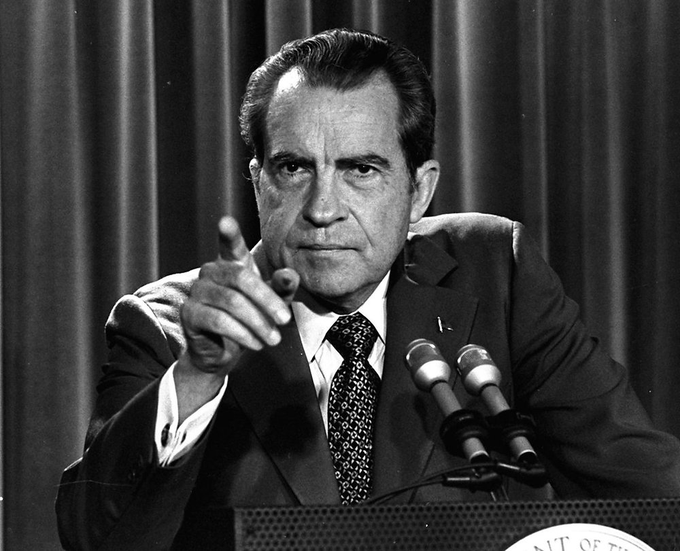
The classification was a political one, made over the explicit objections of researchers who pointed to the existing body of clinical evidence.
Schedule I status made clinical research effectively impossible. Funding evaporated, IRBs refused to approve studies, and DEA licensing became prohibitive.
By 1971, psychedelic clinical research, a field that had produced 1,000+ publications in the prior decade and a half was over.
1986–2006: The Underground Keeps the Data Alive
Throughout the 1970s, 80s, and 90s, an underground network of therapists, guides, and clinicians continued to administer psychedelics to patients quietly. Ibogaine clinics opened in Mexico and the Caribbean to treat opioid addiction. MDMA was used in couples therapy by hundreds of underground practitioners before its 1985 emergency scheduling.
In 1986, Rick Doblin founded the Multidisciplinary Association for Psychedelic Studies (MAPS) with the explicit goal of getting MDMA and other psychedelics back into FDA-sanctioned clinical research. It took MAPS another decade to even begin moving the regulatory needle.
The academic reopening came from Johns Hopkins. In the late 1990s, a team led by Dr. Roland Griffiths began navigating the FDA and DEA approval process to study psilocybin in healthy volunteers. In 2006, they published a landmark paper in Psychopharmacology showing that psilocybin can occasion “mystical‑type experiences” with substantial and sustained personal meaning for participants.
That single paper is widely credited as the spark that re-ignited the global psychedelic research renaissance.
2006–2018: The Renaissance Becomes Investable
What followed was a careful rebuilding of the clinical evidence base. NYU and Hopkins ran trials in cancer‑related anxiety and depression, showing large, sustained effects. Imperial College London opened the first university psychedelic research center in the UK. Compass Pathways formed in 2016 around a synthetic psilocybin candidate for treatment-resistant depression.
The regulatory inflection point came in 2017, when the FDA granted Breakthrough Therapy designation to MAPS’s MDMA-assisted therapy for PTSD. The following year, in October 2018, the FDA granted Breakthrough Therapy designation to Compass Pathways’ COMP360 psilocybin for treatment-resistant depression. The first time a classical psychedelic had been formally recognized by the U.S. federal government as a credible therapeutic since the Controlled Substances Act. Psilocybin for major depressive disorder received a second Breakthrough designation in 2019.
Anecdotal Evidence
Beyond trials, anecdotal data is everywhere. If you spent a couple of hours looking through Reddit, YouTube, or X, you’d find thousands of stories of people running underground experiments on themselves, reporting incredible results.
Netflix even has a mini-series called “How to Change Your Mind” which highlights the history and application of these medicines. I highly recommend watching if you are interested in this sector.
In this series, you see real stories of veterans with PTSD and how one session completely saved them from a condition that was destroying their life. Witnessing it gives you perspective on what this treatment would look like and somewhat of an understanding of how they work.

Current Clinical Data
Across more than two decades of academic and industry trials, three compounds: psilocybin, LSD, and MDMA have produced consistent, large-effect results in indications where current treatments fail most patients.
Psilocybin has produced roughly 50–60% remission at 12 months in major depressive disorder and 60–80% sustained response several years out in cancer‑related distress in specific trials, as well as about 40% six‑month smoking abstinence versus ~10% on nicotine patch in a randomized study. A Phase 2 study of LSD-assisted therapy in patients with anxiety reported significant reductions in anxiety in the Swiss Liechti trials. MDMA produced 67% loss of PTSD diagnosis versus 32% on placebo in MAPP1.
The effect often appears 2–3x larger than conventional psychiatric medications, with durability measured in months to years from a single dose rather than weeks of daily dosing. That is truly unlike anything we have seen before in psychiatry.
My Favorite Names
The companies in the space that I follow closest are DFTX, ATAI, CMPS, and CYBN. The aim here is not to recommend specific names, but to get you curious enough to do your own deep work on each.
The data from each company’s trials is quite promising, however my favorite in the space is DFTX.
DFTX
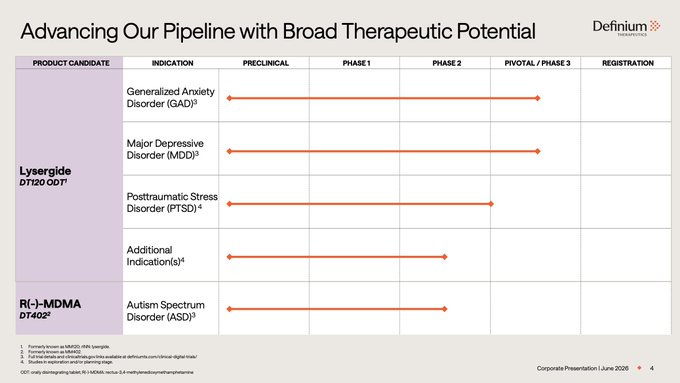
DFTX has a strong, diversified pipeline. The company recently read out trial results that put them at the top of the sector for me.
Phase 3 EMERGE - Major Depression
Randomized, double-blind, placebo-controlled trial of a single 100 µg dose in 149 adults with DSM-5 confirmed MDD and severe baseline depression (MADRS ≥26):
Primary endpoint hit: −13.3 MADRS change for DT120 vs −5.2 for placebo at week 6. 8.1-point placebo-adjusted reduction, p<0.0001
Speed of effect was the stunner: 14.2-point placebo-adjusted MADRS improvement at week 1, larger than the week 6 number
Durability held: 7.3-point placebo-adjusted reduction maintained at week 12 (p<0.0001), all from one dose
Response rate: 35% vs 7% placebo
Remission rate: 24% vs 3% placebo
Safety: 99% of adverse events mild to moderate, no SAEs, no suicidality signal, average clinic clearance time 5.8 hours
For context: typical SSRIs produce ~2–4 points placebo-adjusted on MADRS in acute trials.
Phase 2b - Generalized Anxiety Disorder
Phase 2b in 198 patients with moderate-to-severe GAD, single dose, no psychotherapy:
100 µg dose: 21.9-point HAM-A reduction at week 12 vs 14.2 for placebo (−7.7 placebo-adjusted, p<0.003, Cohen’s d=0.81)
65% response rate, 48% remission at 12 weeks - described in trial readouts as “no detectable anxiety” three months after one dose
Onset visible by day 2 on the CGI-S severity scale
Comorbid depression also improved: 18.7-point MADRS reduction at week 12 (6.4 placebo-adjusted, p<0.01) - supports a dual GAD/MDD label
FDA Breakthrough Therapy Designation granted March 2024 for GAD
Upcoming Catalysts (the next 90 days)
Catalysts are important in biotech and
has plenty, from their diversified pipeline:
VOYAGE (Phase 3, GAD, n=214) - early Q3 2026
PANORAMA (Phase 3, GAD, n=200) - late Q3 2026
ASCEND (Phase 3, MDD, both 100 µg and 50 µg arms) - readout 2027
HAVEN (Phase 3, PTSD) - initiating 2027
The Asymmetry
Pause for a second. When have you ever seen in the history of biotech, a drug in development, where you have tens of thousands of anecdotes and seventy years of clinical literature showing that it works?
That is the asymmetry. Efficacy risk appears materially lower than in a typical early-stage biotech, with the remaining challenge being regulation and stigma, which is going in the right direction.
Current FDA Stance
The agency has been signaling the reversal in increments, and 2025-2026 is when the signaling became policy.
Breakthrough Therapy Designation is the tell. Breakthrough is the FDA’s most aggressive expedited-development pathway. To qualify, a sponsor must show “preliminary clinical evidence that the drug may demonstrate substantial improvement over existing therapies on a clinically significant endpoint.”
The FDA has granted Breakthrough Therapy designation to several leading psychedelic programs:
Psilocybin for treatment-resistant depression - Compass Pathways, 2018
Psilocybin for major depressive disorder - Usona Institute, 2019
MDMA for PTSD - MAPS/Lykos, 2017
LSD for generalized anxiety disorder - MindMed (MM120), March 2024
5-MeO-DMT for treatment-resistant depression - atai/Beckley (BPL-003), October 2025
Methylone for PTSD - Transcend Therapeutics, 2024
Ibogaine for opioid use disorder - first US IND cleared in 2026
The Commissioner’s National Priority Voucher program is the clearest signal of the new FDA posture. The program, launched under FDA Commissioner Marty Makary in 2025, targets review decisions within 1-2 months after filing of a complete application for drugs aligned with U.S. national health priorities. On April 24, 2026, following President Trump’s April 18 executive order on serious mental illness, the FDA issued National Priority Vouchers for three psychedelic-related mental health programs: psilocybin for treatment-resistant depression, psilocybin for major depressive disorder, and methylone for PTSD.
The Makary posture matters. Makary has stated publicly that mental illness is one of the FDA’s defining priorities, that the existing SSRI paradigm has failed treatment-resistant patients, and that the agency intends to be a partner, not an obstacle, for sponsors with credible psychedelic programs.
Schedule I rescheduling is now on the table for the first time since 1970. The Trump executive order of April 18, 2026 directs the Attorney General to initiate rescheduling reviews for any Schedule I psychedelic that completes Phase 3. If COMP360 is approved, psilocybin moves out of Schedule I. That alone unwinds a chunk of the stigma in a way no marketing campaign could. Pharmacy benefit managers, hospital systems, and insurance committees use Schedule I status as a procurement-killing flag. Removing it changes everything downstream.
The agency has granted Breakthrough designation to multiple leading programs, prioritized several psychedelic-related mental health programs through the CNPV pilot, and created a product-specific rescheduling pathway tied to Phase 3 success and FDA approval.
Risks
Biotech is inherently risky. Instead of underwriting mature cash‑flow streams, you’re underwriting binary clinical and regulatory outcomes that can move a stock 50% in either direction overnight. In psychedelics, I’d frame risk buckets as follows:
Regulatory risk.
Everything in this article assumes the FDA maintains its current supportive posture. That can change with a new administration, a new commissioner, or a single high‑profile safety event. Lykos’ MDMA rejection in August 2024 illustrates this: despite Breakthrough designation, two positive Phase 3 trials, and strong public support, an advisory committee raised concerns about trial conduct, potential unblinding, and safety, leading to a Complete Response Letter and a demand for more data. A similar setback in any program could reset sentiment across the sector.
Schedule I and rescheduling risk.
Until rescheduling actually happens, Schedule I remains a structural overhang. The executive order directs DEA to begin reviews but does not guarantee outcomes or timelines. An approval without rescheduling would still face friction at PBMs, hospital formularies, and insurers.
Clinical risk.
Large Phase 3 trials can fail even after strong Phase 2 data. DFTX’s VOYAGE, PANORAMA, and ASCEND programs all remain binary events.
Company‑specific risk.
Most sector names are pre‑revenue, cash‑burning, and reliant on capital markets. Dilution, down‑rounds, or strategic pivots can materially impact equity holders even if the science works.
Stigma and political risk.
The 1970s classification was political; the next reclassification will be too. A change in administration, a high‑profile recreational‑use tragedy, or a shift in media narratives could slow or reverse momentum that currently looks inevitable.
Position sizing matters more here than in most sectors. The asymmetry is real, but asymmetry is not certainty. Any allocation to psychedelics should be sized within a diversified book, with the assumption that individual names can go to zero even if the category wins.
Conclusion
It’s quite clear that psychedelic medicines work. The anecdotal and clinical evidence is robust, the trials are positive, the FDA has designated them as breakthroughs, and the President has signed an executive order accelerating them.
The only thing standing between this category and a multi-tens-of-billions revenue opportunity is a stigma manufactured by a 1970 political compromise that even the FDA no longer believes. We do not get many setups in biotech where the science is this settled, the catalysts are this dated, and the equity market is still pricing the 1971 narrative. This is the hidden asymmetry.
Disclaimers
General information only
This article reflects the personal opinions of the author and is provided solely for informational and educational purposes. It does not constitute investment advice, medical advice, a recommendation to buy or sell any security, or an offer to provide investment advisory, brokerage, or medical services. Readers should not rely on this article as the basis for any investment, treatment, or healthcare decision.
Not medical advice
Nothing in this article is intended to be, or should be construed as, a substitute for professional medical advice, diagnosis, or treatment. The author is not a physician and does not provide medical services. Patients should consult with qualified healthcare professionals before making any decisions regarding diagnosis, treatment, or the use of psychedelic or other medicines.
Positions and conflicts of interest
The author and Outlier Capital may hold positions in the securities discussed, including DFTX, ATAI, CMPS, and CYBN, and those positions may change at any time without notice. The author and Outlier Capital have no obligation to update this article or to disclose subsequent changes in positions, views, or circumstances.
No guarantee of accuracy or completeness
All information is based on sources believed to be reliable as of the date of publication, but accuracy, completeness, and timeliness are not guaranteed. Clinical trial data, regulatory developments, and company‑specific facts can change rapidly. Past performance, including clinical trial results or stock performance, is not indicative of future outcomes. Forward‑looking statements, including projections about FDA timelines, rescheduling, market opportunity, and company prospects, are inherently uncertain and may not materialize.
Investment risk
Investing in biotechnology and small‑capitalization equities involves a high degree of risk, including the risk of total loss of capital. Psychedelic‑focused companies may be subject to additional regulatory, political, clinical, and financing risks. Readers should conduct their own independent research, review primary sources (including SEC filings and peer‑reviewed publications), and consult with a qualified financial advisor before making any investment decision.
No warranty and limitation of liability
The information in this article is provided “as is,” without any representation or warranty, express or implied, including any warranty of accuracy, completeness, timeliness, or fitness for a particular purpose. The author and Outlier Capital disclaim any liability for any direct or indirect loss or damage arising from the use of, or reliance on, this article or its contents.
Sources:
https://hopkinspsychedelic.org
https://www.hopkinsmedicine.org/news/newsroom/news-releases/2022/02/psilocybin-treatment-for-major-depression-effective-for-up-to-a-year
https://pure.johnshopkins.edu/en/publications/five-year-outcomes-of-psilocybin-assisted-therapy-for-major-depre
https://pmc.ncbi.nlm.nih.gov/articles/PMC10072288
https://clinicaltrials.gov/ct2/results?term=psilocybin
https://drkumardiscovery.com/posts/psilocybin-nicotine-patch-smoking-cessation-pilot-randomized
https://pmc.ncbi.nlm.nih.gov/articles/PMC12412041
https://pubmed.ncbi.nlm.nih.gov/36266118
https://clinicaltrials.gov/study/NCT05407064
https://maps.org/mdma/ptsd/mapp1
https://news.va.gov/press-room/va-launches-mdma-assisted-mental-health-therapy-trial
https://www.biospace.com/drug-development/FDA-Rejects-Lykos-MDMA-Assisted-PTSD-Therapy-After-Negative-Adcomm
https://www.fda.gov/news-events/press-announcements/fda-accelerates-action-treatments-serious-mental-illness-following-executive-order
https://www.aha.org/news/headline/2026-04-24-fda-fast-tracks-development-psychedelic-medications-following-presidents-executive-order
https://www.nccih.nih.gov/health/psilocybin-for-mental-health-and-addiction-what-you-need-to-know
https://nida.nih.gov/research-topics/psychedelic-dissociative-drugs-medicines
https://www.pbs.org/newshour/politics/trump-signs-order-to-speed-review-of-psychedelics
https://en.wikipedia.org/wiki/Legal_status_of_psychedelic_drugs_in_the_United_States
https://pmc.ncbi.nlm.nih.gov/articles/PMC11907663
https://www.nature.com/articles/s41386-026-02335-z
https://ir.definiumtx.com/news-events/press-releases